
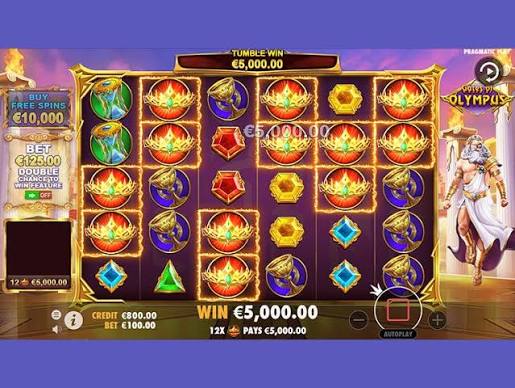
Unveiling the Gates of Olympus: A Journey through Myth and Glory
When we think of ancient civilizations, the rich tapestry of Greek mythology often comes to mind, evoking images of gods, heroes, and epic tales that have inspired generations. One of the most exhilarating narratives delves into the gates of olympus gatesofolympus1000.dk, the majestic threshold that separates mortals from the divine. But what lies beyond these gates? What stories do they tell about the realm of the gods? In this article, we will explore the enchanting world of Olympus, uncovering its history, significance, and the timeless lessons that echo through the ages.
The Significance of Olympus in Greek Mythology
Olympus is not merely a mountain; it is a symbol of divinity and power. Towering at 2,917 meters, Mount Olympus is the highest peak in Greece and has long been revered as the dwelling place of the twelve Olympian gods. According to mythology, this majestic mountain was shrouded in clouds, making it an inaccessible realm for mortals. It was here that Zeus, the king of the gods, resided, along with his siblings Hera, Poseidon, Demeter, Hestia, and the other deities who played pivotal roles in Greek myths.
The Twelve Olympians
At the heart of Olympus was a pantheon of gods known as the Twelve Olympians, each representing different aspects of life and the natural world. Zeus, as the god of the sky and thunder, wielded authority over all gods and mortals. His brother Poseidon ruled the seas, while Hades, the god of the underworld, governed the afterlife. Each deity brought their own powers, personalities, and domains, contributing to the complexity of the myths that sprang from their interactions.
The Narrative of Heroes and Monsters
Beyond the celestial realm, the stories that emerged from Olympus often intertwined with those of heroes and monsters. The legendary tales of figures like Heracles, Perseus, and Achilles showcased the morally ambiguous relationships between gods and mortals. Heracles, for example, was born of divine parentage but faced tremendous challenges set forth by Hera, representing both the divine will and the struggles of the human condition.
The Labors of Heracles
The Labors of Heracles stand out as a testament to the trials faced by mortals against insurmountable odds. Tasked with capturing the formidable Nemean Lion, retrieving the Golden Apples of the Hesperides, and conquering the monstrous Hydra, Heracles embodied strength, courage, and resilience. Each labor not only tested his physical might but also illuminated the moral lessons that lie within the fabric of Greek mythology.
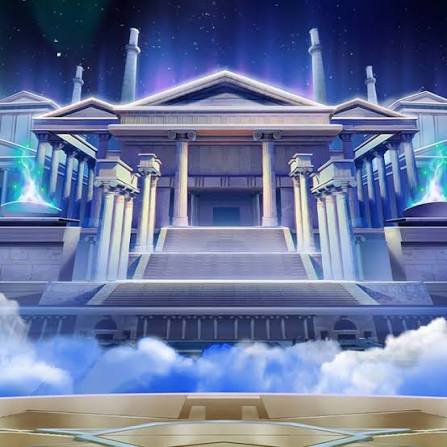
The Artistic Depictions of Olympus
The allure of Olympus and its inhabitants has inspired countless artists, poets, and playwrights throughout history. From ancient pottery to Renaissance paintings, the imagery of Olympus has been documented and immortalized. The works of masters like Botticelli, who painted “The Birth of Venus,” and Raphael, who created “The School of Athens,” reflect the enduring fascination with classical mythology.
Modern Interpretations
In contemporary culture, the legacy of Olympus continues to thrive. Films, novels, and video games draw inspiration from these ancient myths, reinventing them for new audiences. The successful “Percy Jackson” series has captivated young readers, reintroducing the essence of Greek mythology. Meanwhile, video games that incorporate elements of Olympus, such as “Hades” or “God of War,” allow players to engage with these timeless stories in interactive ways, creating a bridge between ancient narratives and modern entertainment.
Lessons from the Gods
While the tales of Olympus enchant us with their imaginative splendor, they also impart profound lessons relevant to our lives today. The stories reflect universal themes of love, betrayal, courage, and redemption, offering insights into human nature and the complexities of our existence. The blend of divine ideals with human flaws reminds us that we are all capable of greatness, regardless of our origins.
The Dichotomy of Fate and Free Will
One of the most compelling aspects of Greek mythology is the ongoing struggle between fate and free will. Many heroes attempted to defy their destinies, leading to tragic outcomes that illustrate the limitations of human agency. This central theme resonates deeply as we navigate our own lives, contemplating the choices we make and the paths we follow.
Conclusion: The Endless Allure of Olympus
The Gates of Olympus represent far more than a mythological threshold; they symbolize humanity’s quest for understanding, meaning, and connection to the divine. As we delve into the stories of gods and heroes, we uncover reflections of our own journeys, challenges, and aspirations. Whether through literature, art, or modern media, the allure of Olympus endures, reminding us that the boundaries between the mortal and the divine are as fluid as our imaginations allow.